Show OFF Case.
Web experiments by æ.
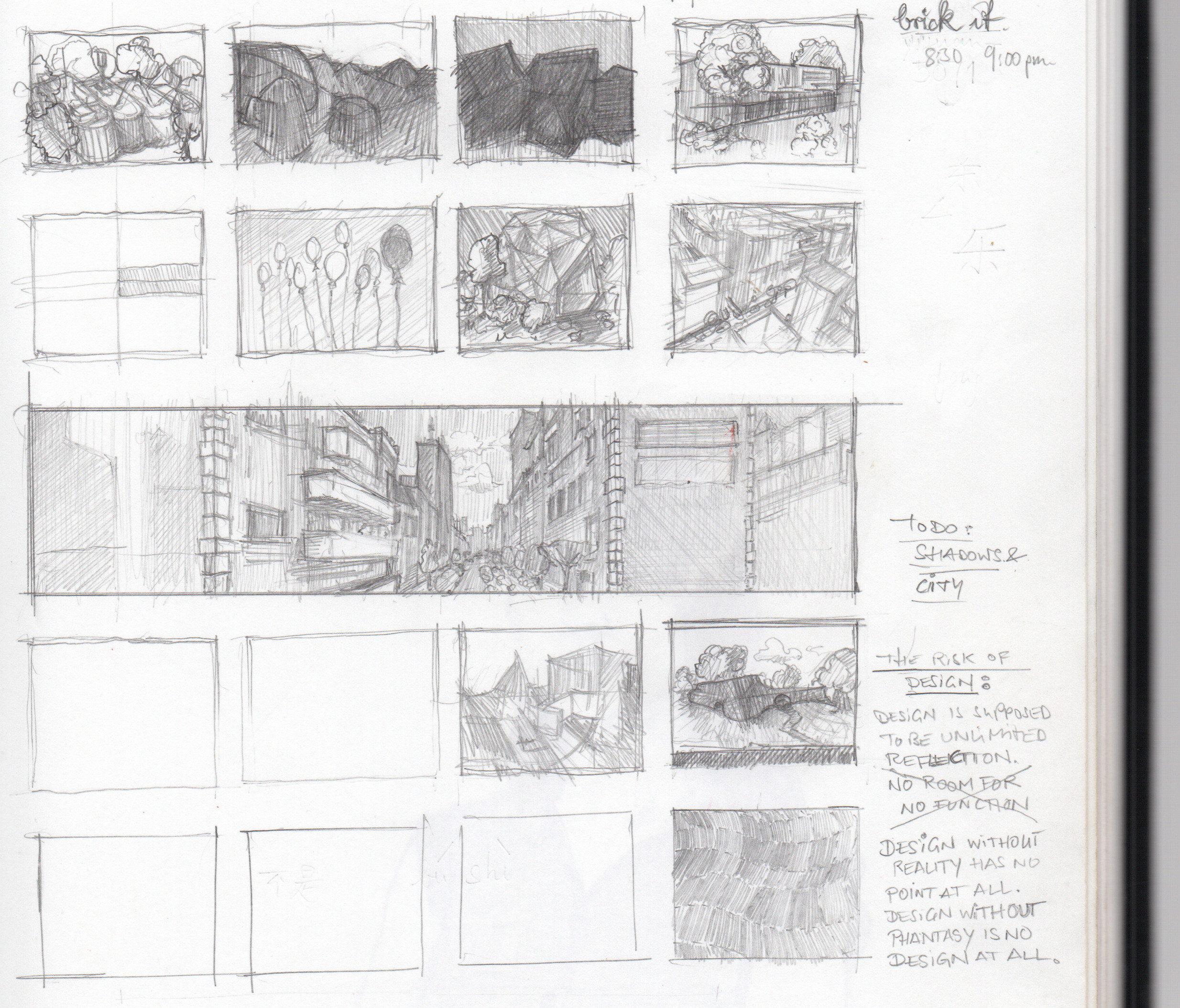
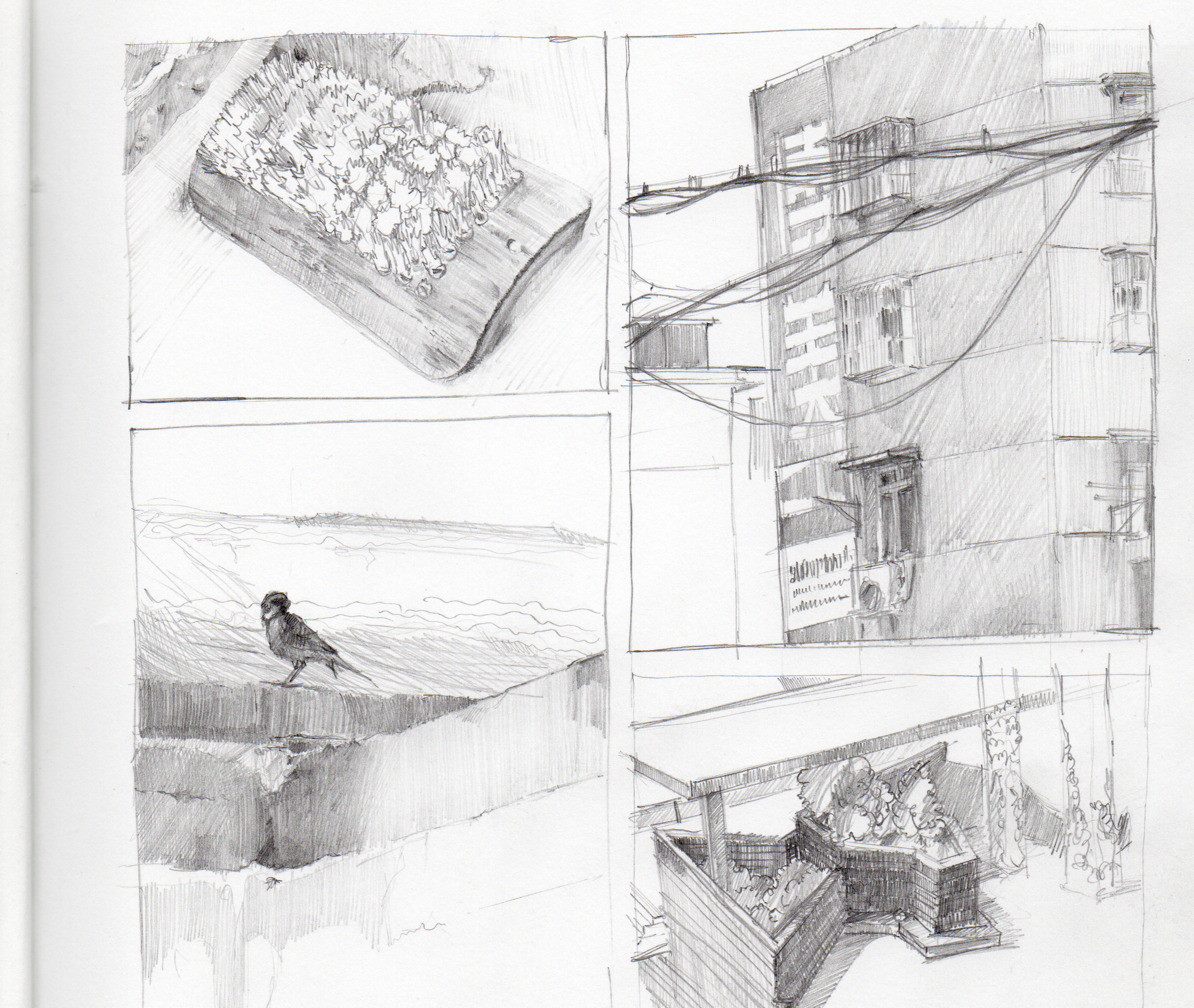
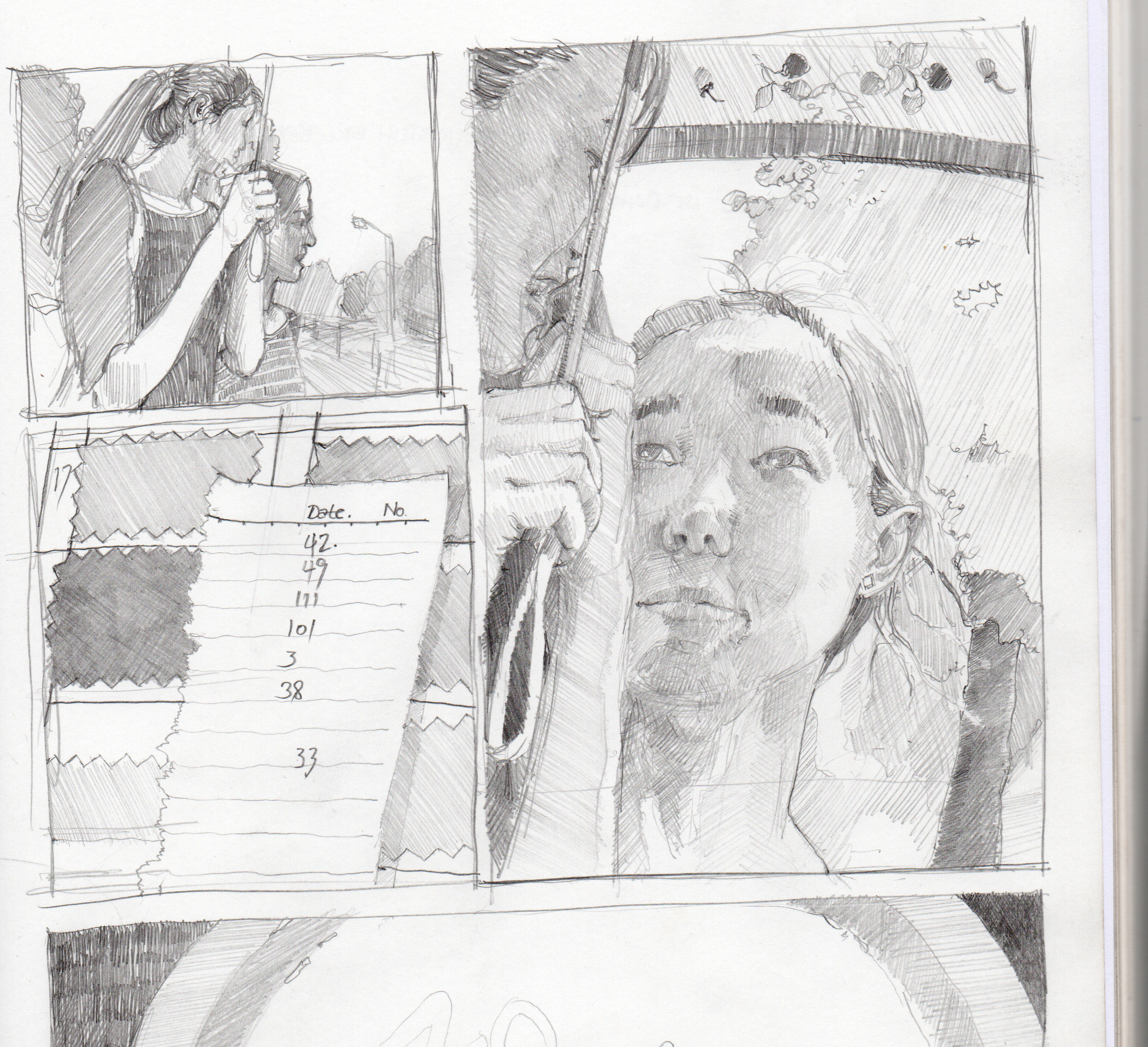
I remember the snow. Not because of its cold, but because of the sounds.
The wind carried them like glass. Fragments. Cries. Metal on stone. Not near. Not far. Exactly in between, where the brain begins to interfere.
I didn’t go because of the sounds. But they gave the direction weight.
1. Art begins as an encounter: you meet something.•
1.1 You look, read, hear, or otherwise perceive it.•
1.2 Sometimes nothing happens. That is a possible outcome.•
2. If you feel nothing and think nothing, there is no art experience for you in that moment.•
2.1 This does not prove the work is worthless; it only describes the encounter.•
3. If you react (interest, irritation, boredom, attraction, rejection), something is happening.•
3.1 A strong negative reaction can be more useful than polite indifference.•
3.2 A reaction does not guarantee value; it only signals potential.•
4. A shift begins when you look again.•
4.1 Looking again means: you notice something you did not notice before.•
4.2 If your second look is identical to your first, nothing changed.•
5. A useful question is: What exactly is my reaction attached to?•
5.1 Is it attached to the material (color, sound, scale, effort, precision)?•
5.2 Is it attached to what it reminds you of?•
5.3 Is it attached to the context (museum, street, phone, status, price)?•
6. If you dislike it, a simple test is: Why do I dislike it?•
6.1 If you cannot answer, you have found a blind spot.•
6.2 If you can answer, your answer is a hypothesis about yourself.•
7. A work matters when it changes what you notice.•
7.1 After the encounter, you may notice similar things elsewhere.•
7.2 This is a trace that something shifted.•
8. Titles matter because they influence what you notice.•
8.1 A title can guide you, mislead you, or make you look again.•
8.2 No title can also be a decision, when a title is expected.•
9. A good work can be revisited.•
9.1 On a later day, you may see something you did not see before.•
9.2 Sometimes you still see nothing. That is also possible.•
10. Art cannot be forced.•
10.1 An artist can build conditions, but cannot control what happens in you.•
10.2 An observer can look again, but cannot guarantee discovery.•
1. Art begins as an encounter: you meet something.•
1.1 You look, read, hear, or otherwise perceive it.•
1.2 Sometimes nothing happens. That is a possible outcome.•
2. If you feel nothing and think nothing, there is no art experience for you in that moment.•
2.1 This does not prove the work is worthless; it only describes the encounter.•
3. If you react (interest, irritation, boredom, attraction, rejection), something is happening.•
3.1 A strong negative reaction can be more useful than polite indifference.•
3.2 A reaction does not guarantee value; it only signals potential.•
4. A shift begins when you look again.•
4.1 Looking again means: you notice something you did not notice before.•
4.2 If your second look is identical to your first, nothing changed.•
5. A useful question is: What exactly is my reaction attached to?•
5.1 Is it attached to the material (color, sound, scale, effort, precision)?•
5.2 Is it attached to what it reminds you of?•
5.3 Is it attached to the context (museum, street, phone, status, price)?•
6. If you dislike it, a simple test is: Why do I dislike it?•
6.1 If you cannot answer, you have found a blind spot.•
6.2 If you can answer, your answer is a hypothesis about yourself.•
7. A work matters when it changes what you notice.•
7.1 After the encounter, you may notice similar things elsewhere.•
7.2 This is a trace that something shifted.•
8. Titles matter because they influence what you notice.•
8.1 A title can guide you, mislead you, or make you look again.•
8.2 No title can also be a decision, when a title is expected.•
9. A good work can be revisited.•
9.1 On a later day, you may see something you did not see before.•
9.2 Sometimes you still see nothing. That is also possible.•
10. Art cannot be forced.•
10.1 An artist can build conditions, but cannot control what happens in you.•
10.2 An observer can look again, but cannot guarantee discovery.•
UNDER CONSTRUCTION